The Constitution of the Italian Republic states that the State
promotes the development of culture and of scientific and technical research. It safeguards the landscape and the historical and artistic heritage of the Nation.
The task of protecting this heritage is entrusted to the Ministry of Culture, which operates throughout the country through the Superintendencies.
History of the palace
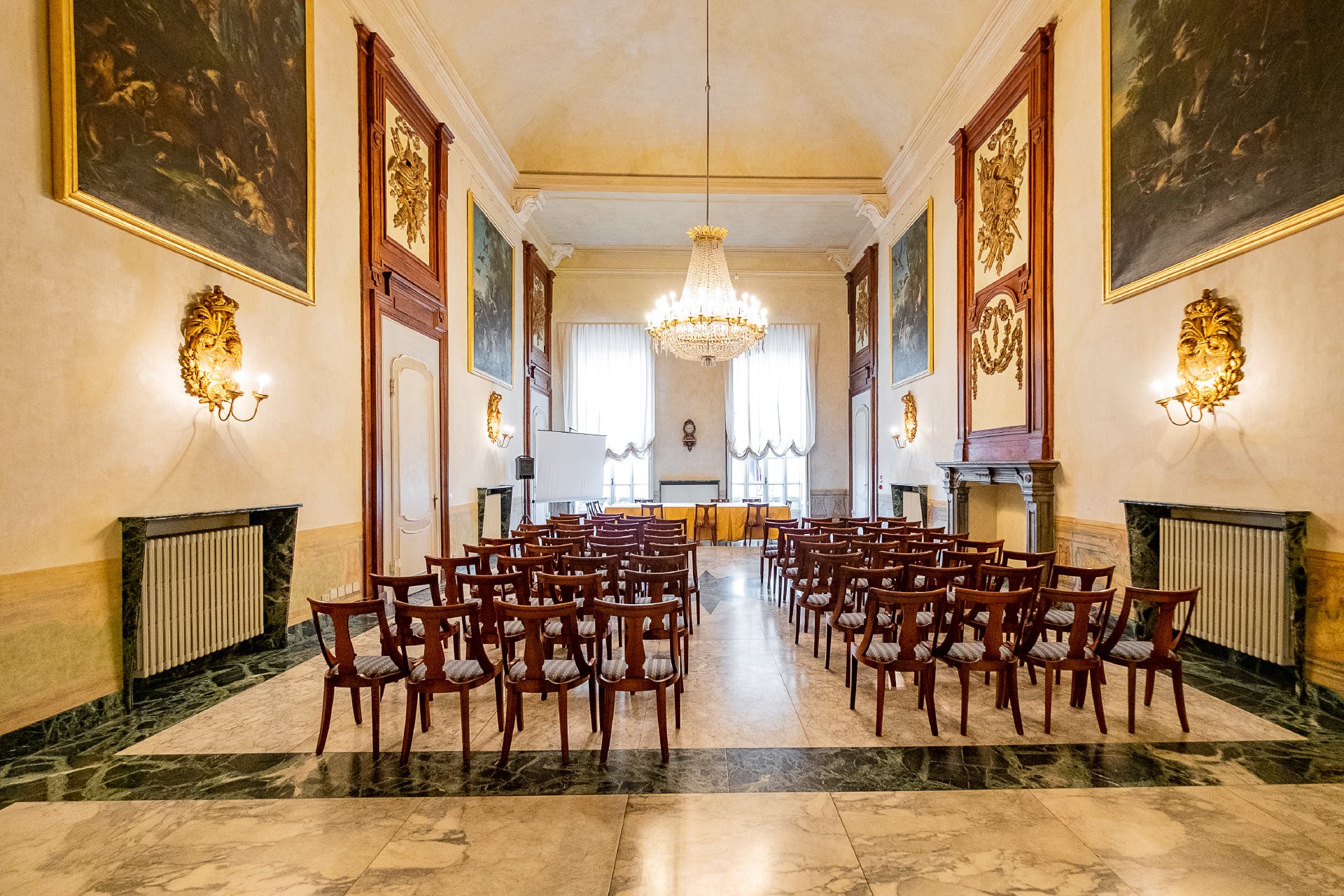
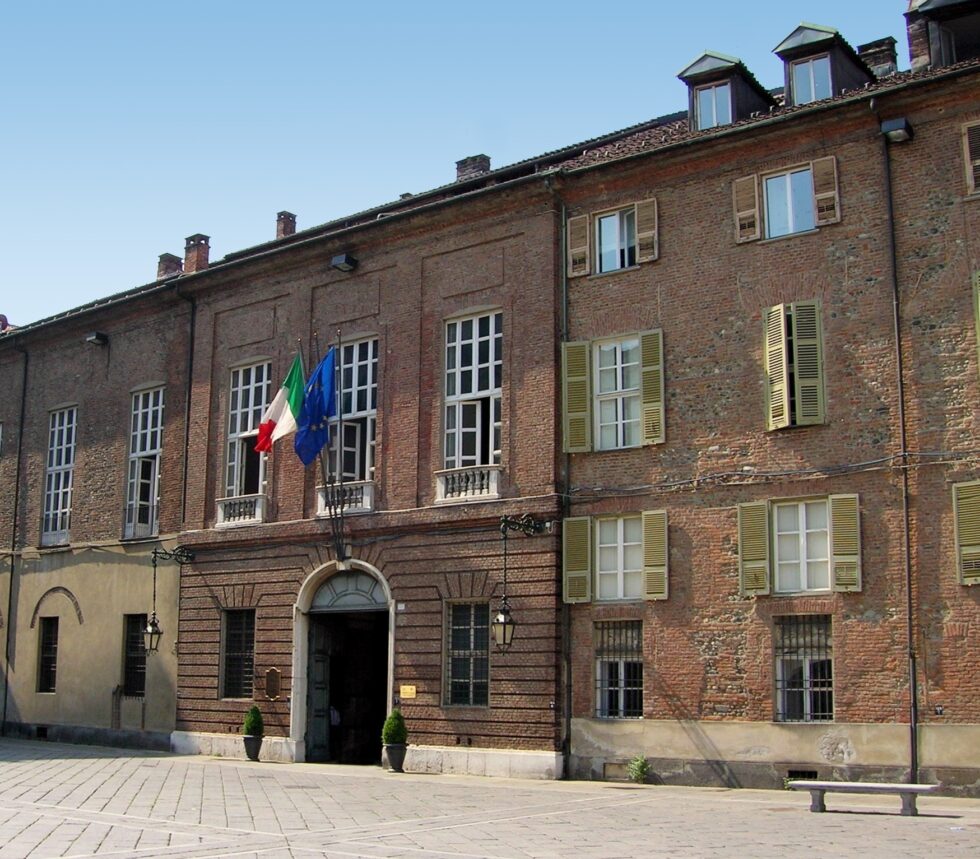
With its austere mass, Palazzo Chiablese closes the west side of the square in front of the Royal Palace, extending as far as Guarini's Church of San Lorenzo. Since 1960, when its restoration after the heavy damage of the war was completed, it has been the seat of the Superintendency.
Origins
It was built at the end of the 16th century, probably by remodelling existing medieval buildings, when Duke Emanuele Filiberto decided to renew the central square of his new capital and commissioned its design from Ascanio Vittozzi.
Its first owners were the Marchioness Beatrice Langosco di Stroppiana and her husband Francesco Martinengo di Malpaga, who had received it as a gift from the Duke of Savoy. At the beginning of the 17th century it housed Cardinal Pietro Aldobrandini, invited to Turin by Carlo Emanuele I to attend the weddings of his two daughters, Margherita and Isabella of Savoy, and to settle the disputes between the Duchy of Savoy and France over the possession of the Marquisate of Saluzzo. In 1642 it was the residence of Cardinal Maurizio of Savoy-Carignano, who married Maria Ludovica, daughter of Vittorio Amedeo I; after her death it housed some apartments serving the royal court.
The Duke of Chablais and Benedetto Alfieri
In 1753 Carlo Emanuele III assigned the palace to his son Benedetto Maurizio, Duke of Chablais, born of his third wife, Elisabeth of Lorraine, and entrusted the court architect, Benedetto Alfieri, with renovating and enlarging its apartments. Alfieri's work, which involved the partial demolition and raising of the existing building, gave Palazzo Chiablese its present appearance: a monumental portal in the plain brick façade leads into an arcaded entrance hall with stone columns and pillars and cross vaults, and from there into the two inner courtyards, separated by a central wing (1761). A portico with a gallery above connects it to the Royal Palace.
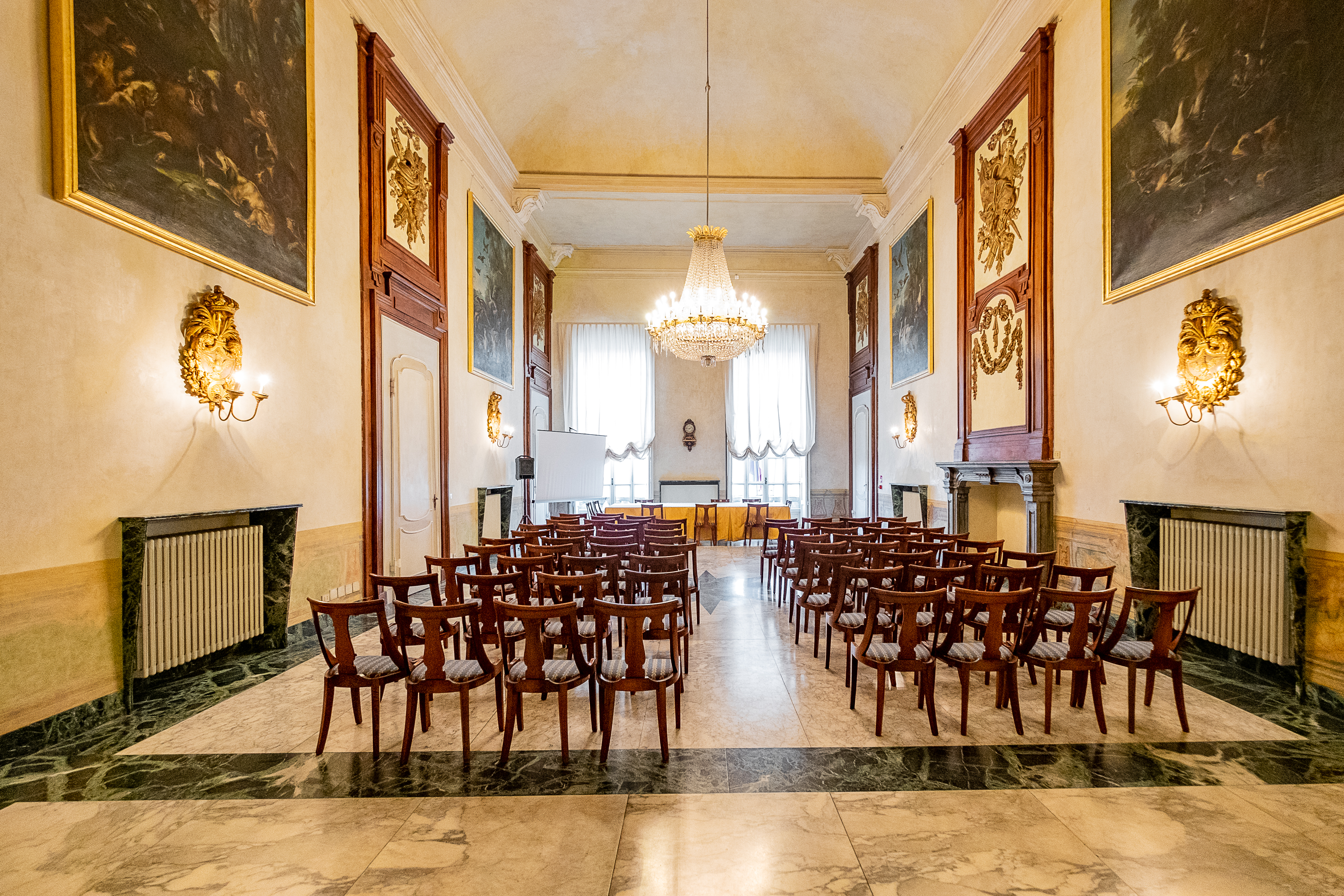
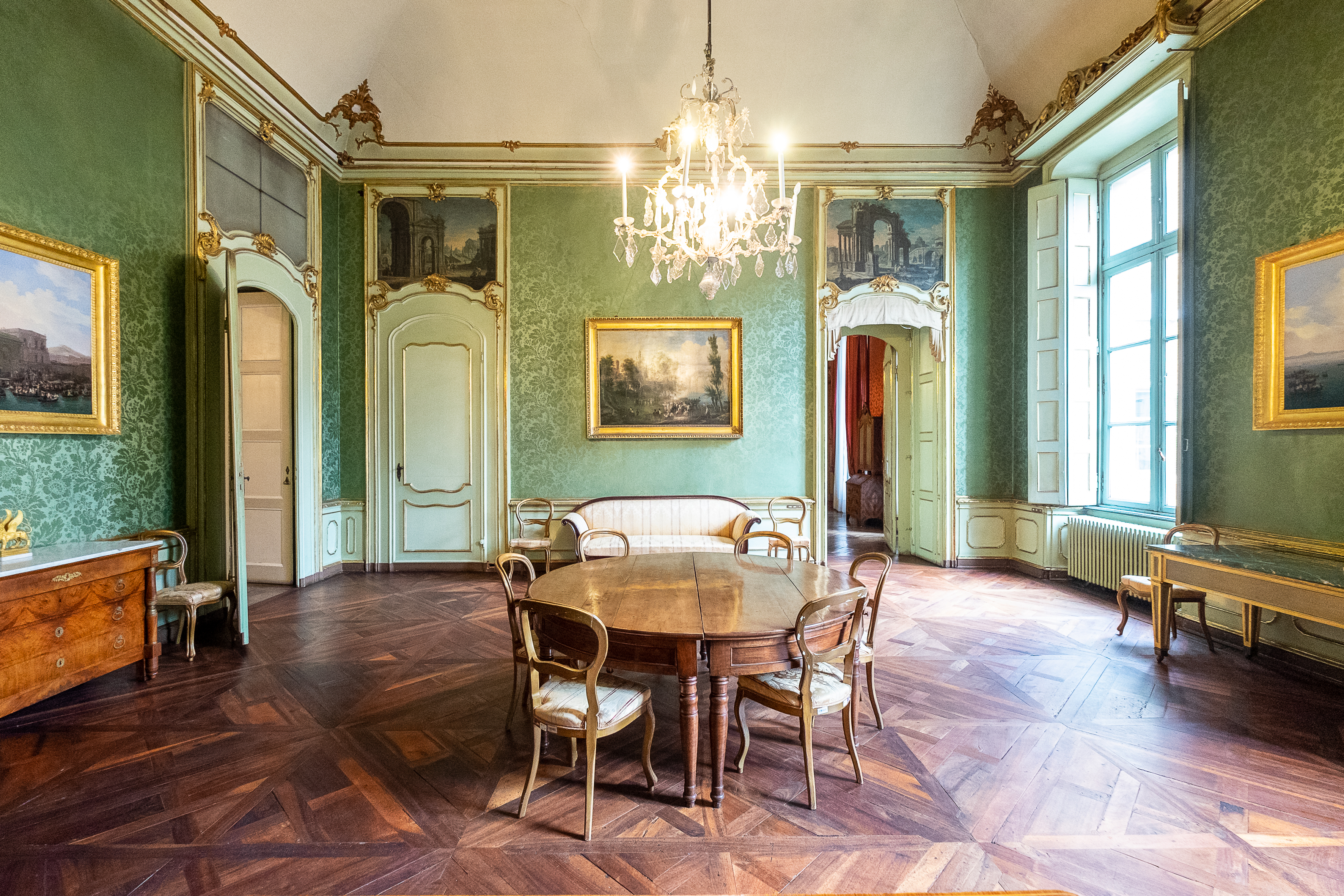
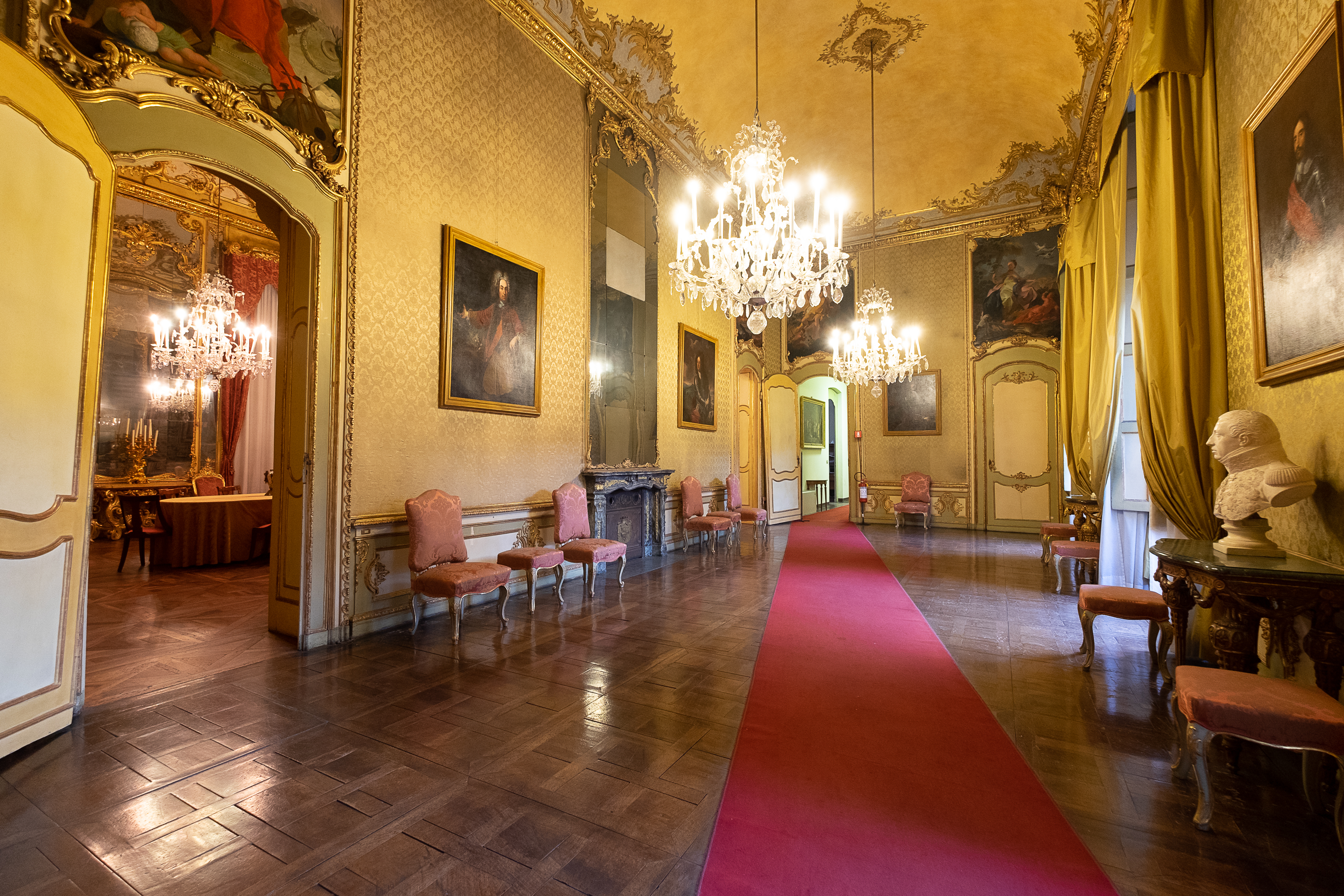
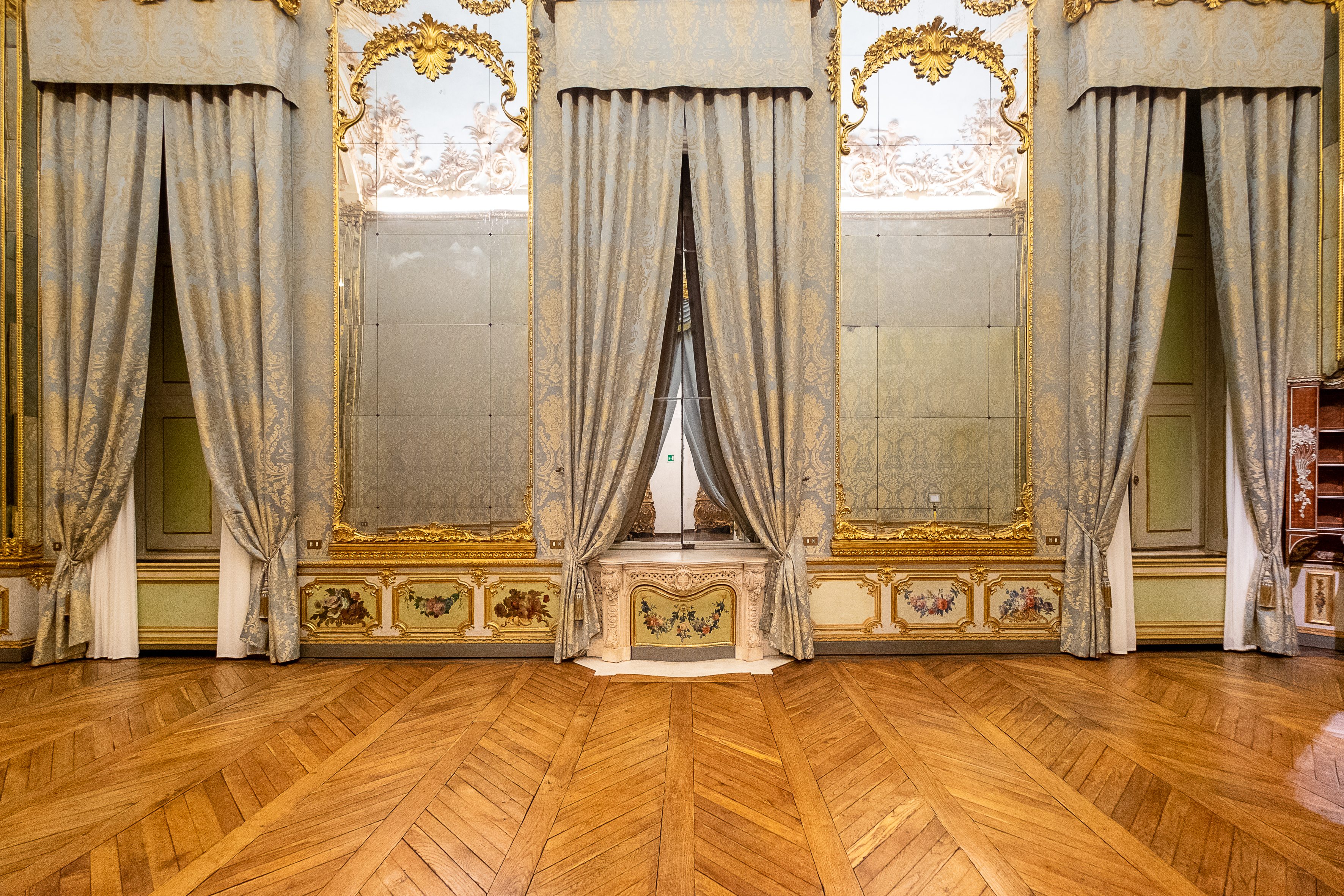
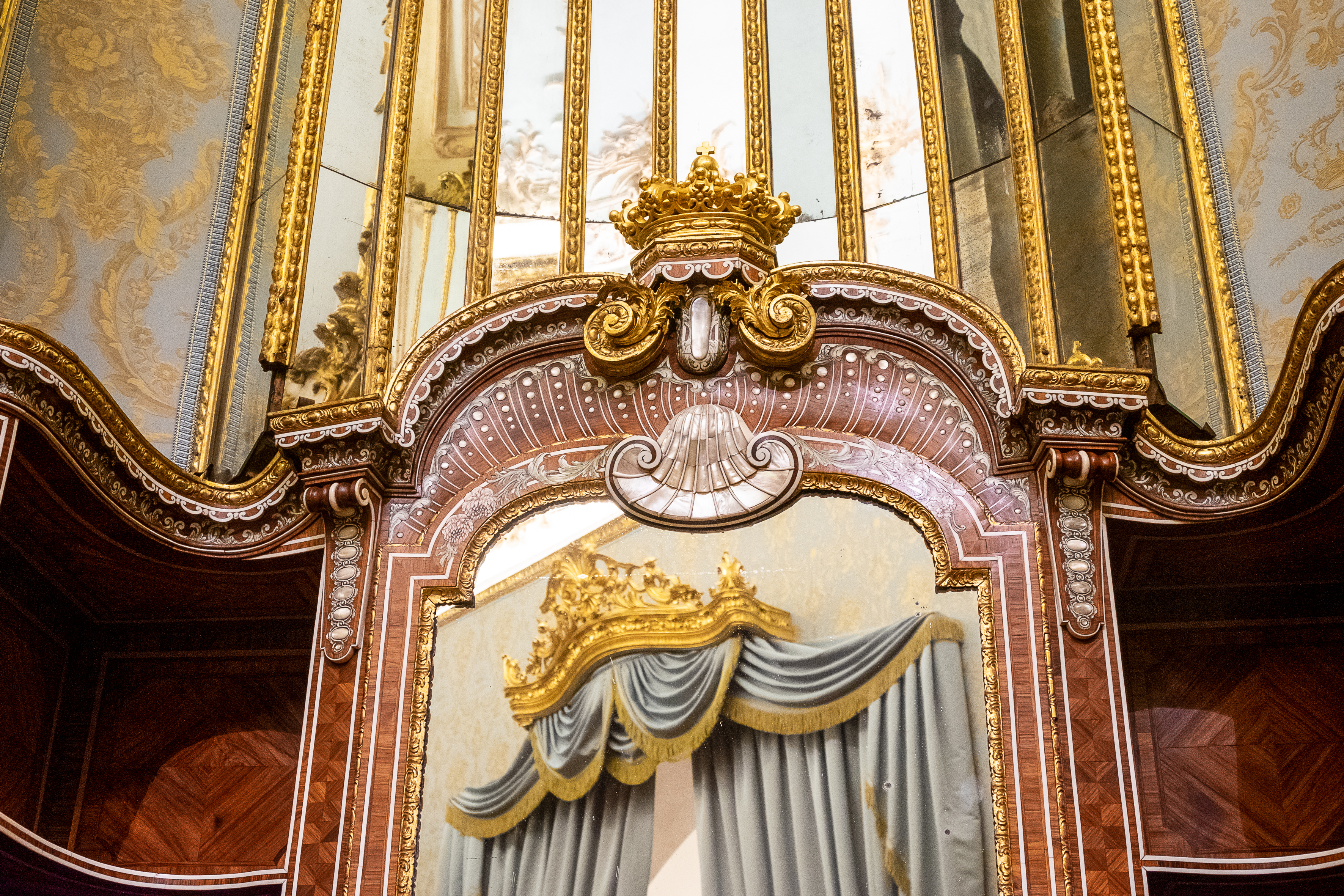
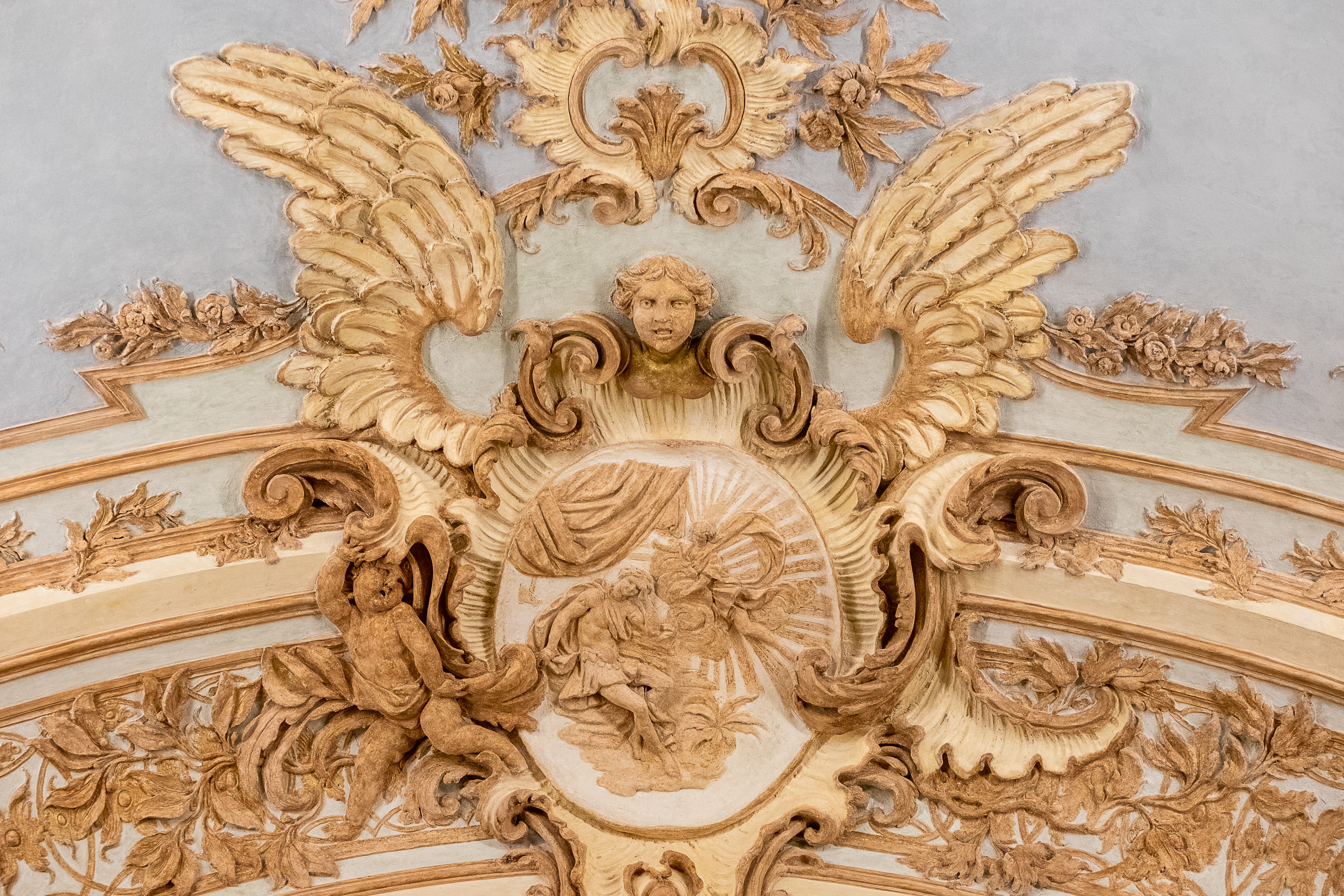
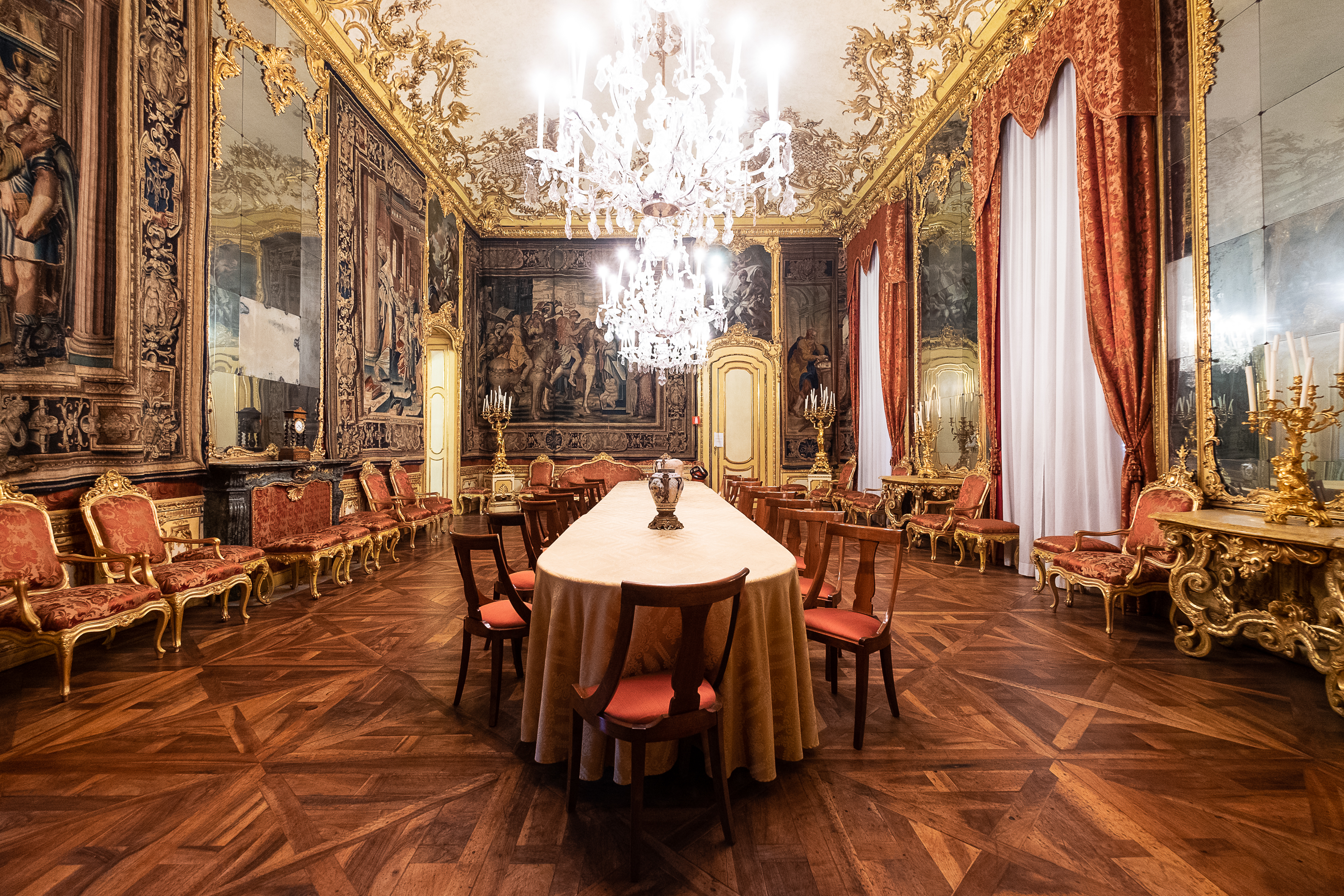
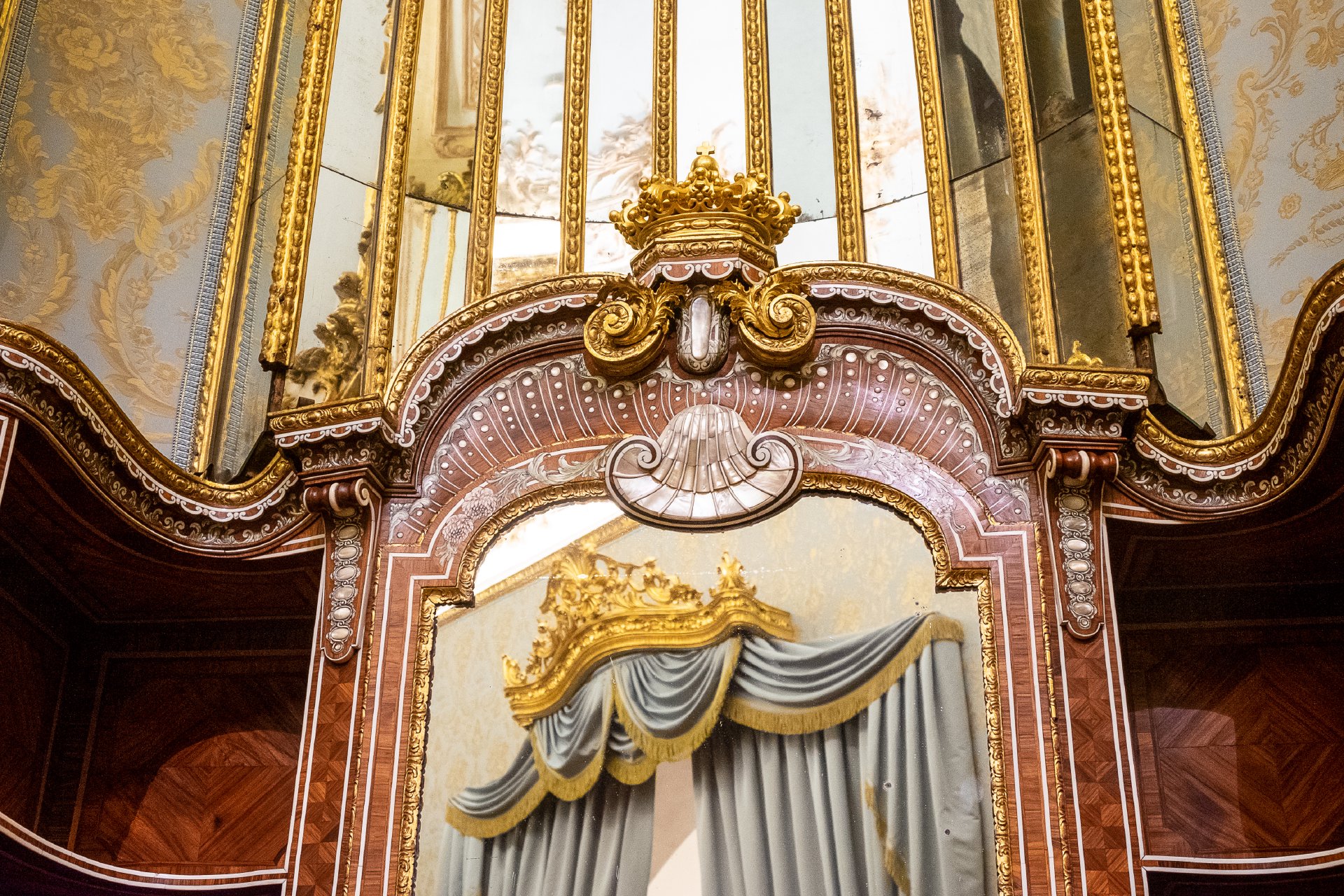
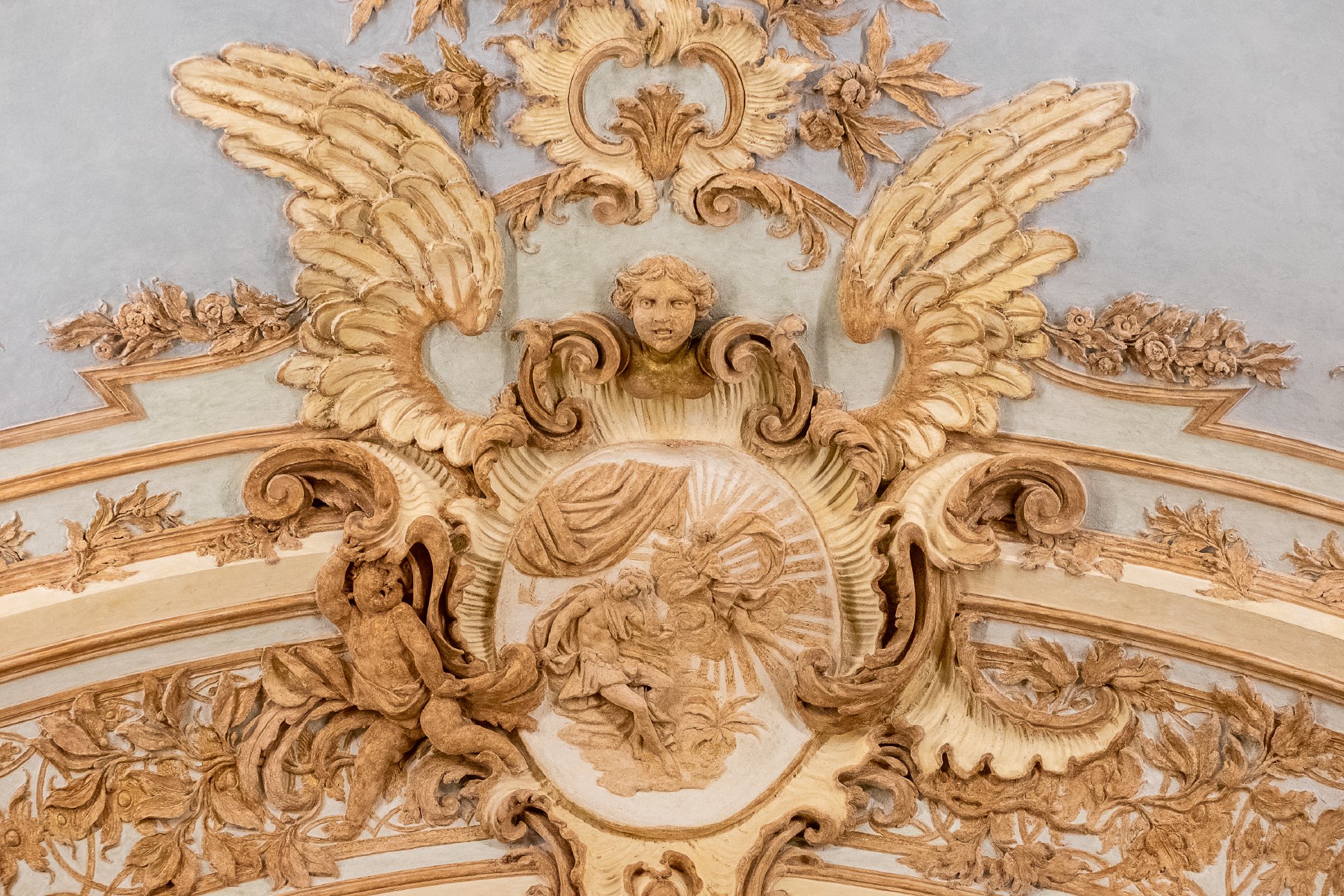
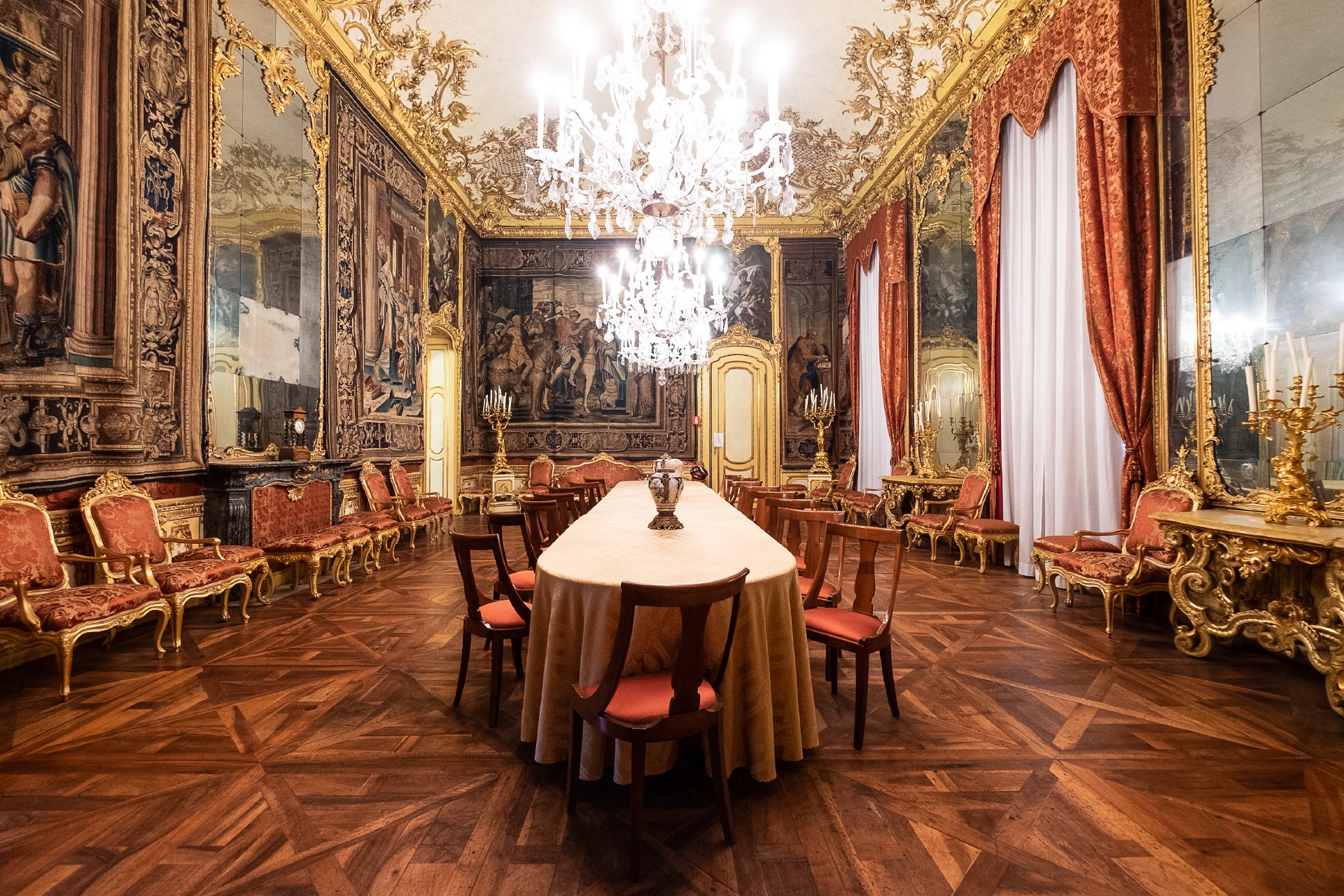
A majestic marble staircase (1753/54) leads to the piano nobile, rich in furnishings, stuccoes by Sanbartolomeo, inlaid wooden floors, painted boiseries, marble fireplaces, mirrors and overdoors attributed to Michele Rapous, De Mura and the Roman painter Gregorio Guglielmi: eloquent evidence, still today, of the splendour of court life (first apartment 1756/58; second apartment 1760/62).
The 19th century
After the death of Duke Benedetto Maurizio in Rome in 1808, the palace housed the offices of the "Executive Commission" of the French occupation, made up of Carlo Botta, Carlo Bossi and Carlo Giuli (the "three Carlos").
In 1814 the palace returned to the Duchess of Chablais, widow of Benedetto Maurizio; from 1824 it became the property of King Carlo Felice, who preferred it to the adjoining Royal Palace and lived there until his death. It then passed to Ferdinando, Duke of Genoa, second son of King Carlo Alberto, and remained with the Savoy-Genoa branch for three generations. In 1851 Margherita, daughter of Ferdinando and Elisabeth of Saxony, was born here: she became the first Queen of Italy.
War and reconstruction
During the Second World War the palace was repeatedly hit by bombs and incendiary devices that destroyed its roofs and floors and devastated part of the apartments. Once the restoration was completed, the offices of the Superintendency, which had carried out the difficult work of reconstruction, were moved here from Palazzo Carignano.